

| Field | Details |
|---|---|
| Movie Name | Chinatown (1974) |
| Director | Roman Polanski |
| Writer | Robert Towne |
| Lead Cast | Jack Nicholson, Faye Dunaway, John Huston |
| Supporting Cast | Perry Lopez, Diane Ladd, Darrell Zwerling, Roy Jenson, James Hong |
| Genre | Mystery, Crime, Drama, Thriller |
| Release Date | June 20, 1974 (USA) |
| Duration | 130 minutes |
| Language | English |
| Budget | ~$6 million |
| Box Office | ~$29 million (USA) |
| IMDb Rating | 8.1/10 |
WATCH NOW



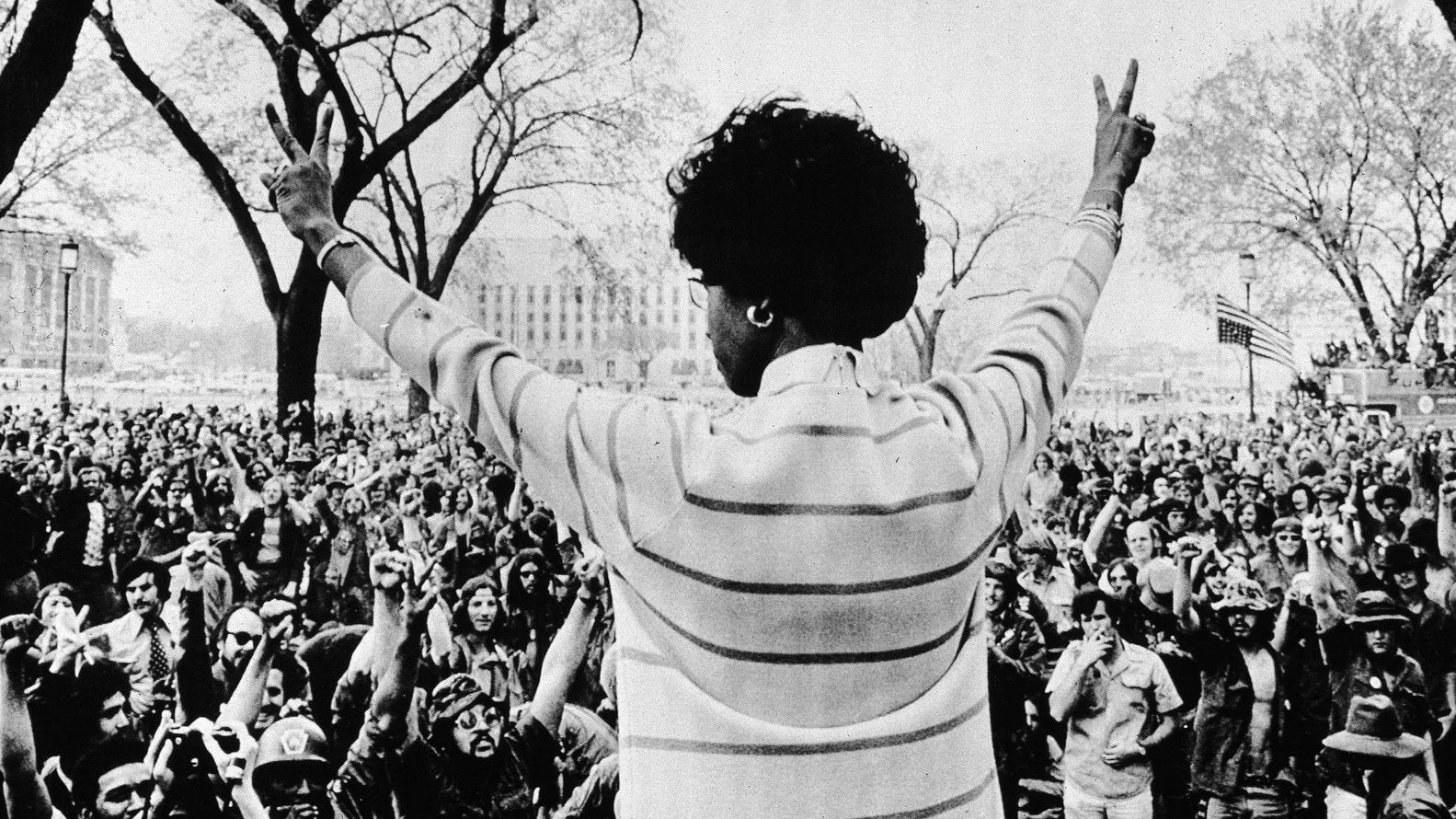
At the height of the 1972 primary season, George McGovern and Hubert Humphrey found themselves sharing the stage on a nationally televised debate with Shirley Chisholm, a little-known black congresswoman from Brooklyn, New York. As Chisholm tells the audience she is tired of the status quo in American politics, and fully prepared to become the next president of the United States, the men listen with wide, uncomfortable smiles plastered across their faces. You can see the anxiety in their eyes, and the question burning in their heads: How did it ever come to this?
How it happened is examined from a variety of angles in the fascinating 77 minute documentary Chisholm ’72: Unbought & Unbossed, and in the end the viewer is left to decide which perspective explains this historic moment best. A variety of pundits and politicians weigh in on the Chisholm ’72 phenomenon, but Chisholm herself, in recent interviews and in film clips showing her on the stump, ultimately makes the most coherent case. What the film makes clear is that Chisholm is both smarter and more sincere than the high profile supporters who chose to label her for their own short term interests.
Women’s liberation figureheads such as Gloria Steinem and Bella Abzug embraced Chisholm publicly, then ditched her as the Democratic convention drew near, and members of the Black Congressional Caucus endorsed her and then threw her over for more “electable” candidates in the end.
As Chisholm ’72 explains, her run for the highest office in the land was first regarded as a mere assertion of her right to run, then seen as a “message” candidacy, and finally accepted as a force to be reckoned with. Chisholm never changed her message, and her power grew because of it. And by the time the convention rolled around, she was a serious player, with enough delegates in her pocket to merit the respect of the highest party officials, and a large part of the American public as well.
Perhaps most surprising in this film is Chisholm’s assertion that gender, and not race, was the factor that held her back, and specifically the fact that she was a woman with ambition. “It has nothing to do with any animosity or hatred toward me,” she says in one interview from 1972. “It’s a female male syndrome feeling about politics in America.” Sadly, it’s a sentiment that is glaringly relevant today.
To watch more movies like Chisholm ’72: Unbought and Unbossed (2004) visit Fmovies.
Also watch