
| Field | Details |
|---|---|
| Movie Name | The Constant Gardener (2005) |
| Director | Fernando Meirelles |
| Writer | Jeffrey Caine (based on the novel by John le Carré) |
| Lead Actor | Ralph Fiennes |
| Cast | Ralph Fiennes, Rachel Weisz, Danny Huston, Bill Nighy, Hubert Koundé |
| Genre | Drama, Mystery, Thriller |
| Release Date | August 31, 2005 (USA) |
| Duration | 2 hours 9 minutes |
| Budget | $25 million |
| Language | English |
| IMDb Rating | 7.4/10 |
WATCH NOW

Brazilian director Fernando Meirelles created an international sensation years ago with City of God, an examination of Rio’s slums and the violence that infects them. With his latest drama, The Constant Gardener, he returns to the slums, only this time the location is Kenya, as he helms this adaptation of John LeCarre’s best selling novel. And this time, the problem is not gang violence. It is instead the problem of well heeled businessmen from outside the country looking at the impoverished population as if they are guinea pigs rather than people. It’s an attitude that proves dangerous not just for the residents of Kibera, Nairobi’s large ghetto, but also for the young white woman who makes the neighborhood her business.
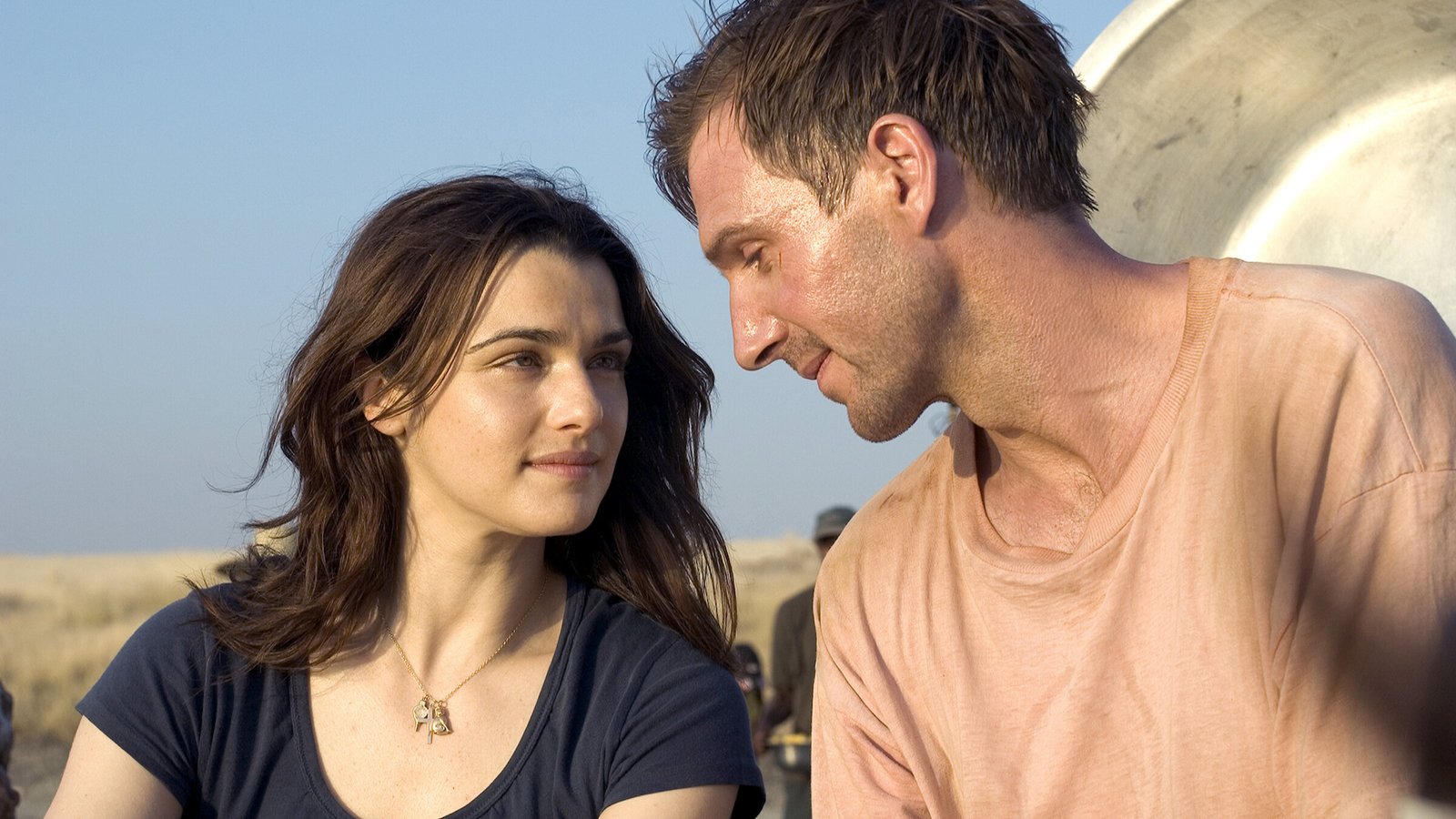
Justin (Ralph Fiennes) and Tessa Quayle (Rachel Weisz) are the ultimate odd couple. He’s a career diplomat in the British Foreign Service, conservative in nature, if not in politics, and more devoted to the flowers and plants he grows than his nebulous mission in Nairobi. His young wife, in contrast, is a firebrand who has only grown more radical since their arrival in Kenya.
She spends most of her time in Kibera and is so devoted to the poor that she even insists on giving birth in the maternity ward there instead of in the vastly superior modern hospital in the better part of town. Lately she has been spending more time with her handsome African colleague, Dr. Arnold Bluhm (Hubert Kounde), than her husband, which has tongues wagging among Justin’s fellow diplomats and their wives.
Then, while on a relief trip to the north, she is killed. This actually is where the movie begins; Justin’s superior, Sandy Woodrow (Danny Huston), is given the task of breaking Justin’s life to pieces by informing him of her death. Sandy and Sir Bernard Pellegrin (Bill Nighy), their boss at the British High Commission, both expect that the passive, reticent new widower will leave the investigation of Tessa’s murder to the proper authorities.
But, driven by grief, and guilt at the realization of how little he knew about his wife, Justin throws himself into a nightmare that leads from Kibera’s mean streets to the sedate halls of government and multinational business. He begins to understand the ways in which the so called First World exploits those at the very bottom. The more he learns, the more dangerous his mission becomes, but it also draws him ever closer to Tessa It becomes ever clearer to him that love can transcend death.
This is a drama told in fragments, Meirelles balances a tight political thriller with a poignant romantic drama. As Justin follows the clues that lead him ever closer to unraveling the mystery of Tessa’s death, the story moves inexorably forward to Justin’s final date with the truth. But while he keeps his mind on the task at hand, he also has a more personal riddle to solve in unlocking his connection to Tessa, and those scenes send the movie running backwards as Justin’s memories flood in. He doesn’t edit, remembering the good, like their chance meeting at a lecture and the early days of their courtship, but he doesn’t spare himself of the bad, recalling the tense final months of their marriage. He is also aware of the gossip, and restoring Tessa’s good name is part of his quest.
Thank producer Simon Channing Williams for having the good sense to hire Meirelles when Four Weddings and a Funeral director Mike Newell dropped out of the project, a fortuitous event. A more conventional director would probably have turned this into The English Patient 2 ½ or something like that stately and respectful, with characters always dominating the foreground and Kenya (or more likely a country dressed up to imitate Kenya) pushed to the back.
Meirelles does not take that approach. Instead, Tessa and her work come to life for the audience as well as Justin through the eyes of the people she loved in Kibera. Shot on location in Kibera, Nairobi, and in the magnificent Kenyan countryside, the nation becomes another character in the story.
At times, as cinematographer Cesar Charlone films the cast interacting with vendors, children, and other townspeople, the movie almost feels like a documentary many of these exchanges appear completely unscripted. And it is an uncommonly beautiful film of richly saturated colors Charlone’s camera hovers over a countryside predominantly colored in reds and browns.
There’s a political lesson embedded in the drama, all about the way so many of these big conglomerates (in this case, the pharmaceutical industry, but pick your poison) put profit before humanity, and the ways that governments cooperate and facilitate the companies’ underhanded practices. But at its heart, this is a love story, made all the more moving and vibrant by Fiennes’ delicate performance as the husband trying to make amends and Weisz as the wife who, in life, did her best to protect him. Their scenes together are warm. There’s erotic heat, but there is also the pleasure each finds in the other’s friendship. When she dies he seems so lost, and it is easy to see why.
In making The Constant Gardener, Meirelles has performed a minor miracle. He’s made a film that introduces us to a little known world, which hums with suspense, and which celebrates the power of love. And he has created something that is irresistible.
To watch more movies like The Constant Gardener (2005) visit Fmovies.
Also watch